 Snap Eighteen
Disposable Cameras vs. Phones: Wedding Photo Strengths
Understand the real strengths of disposable cameras and guest phone photos for your wedding memories.
Introduction
Guests love to capture moments at weddings. There are two popular ways for them to do this: disposable cameras and their personal smartphones. Both options can add unique perspectives to your wedding album. Understanding the strengths of each helps you make an informed decision for your event.
Disposable Cameras: The Guest Experience
Disposable cameras provide a tangible, retro experience for guests. They are simple to use. Guests pick up a camera and start snapping photos without looking at a screen. This encourages them to be present in the moment. It removes the distraction of notifications or social media apps.
Each camera typically holds 27 or 36 exposures. This limited number of shots encourages guests to be more selective. They might think carefully about what they want to capture. It creates a playful challenge. Guests often enjoy this novelty, especially those who remember film cameras from their youth.
Disposable Cameras: The Unfiltered Look
Photos from disposable cameras have a distinctive aesthetic. They often feature a warm, slightly grainy texture. Colors can be a bit muted or shift in unexpected ways. Sometimes, light leaks or slight blurs add to their charm. This creates a raw, authentic feel that digital photos often lack.
There is also a unique element of surprise. You do not see these photos until weeks after the wedding, once the film is developed. This delayed gratification builds anticipation. The final images feel like a discovery, offering genuine, unposed memories from your day.
Phone Photos: Instant and Abundant
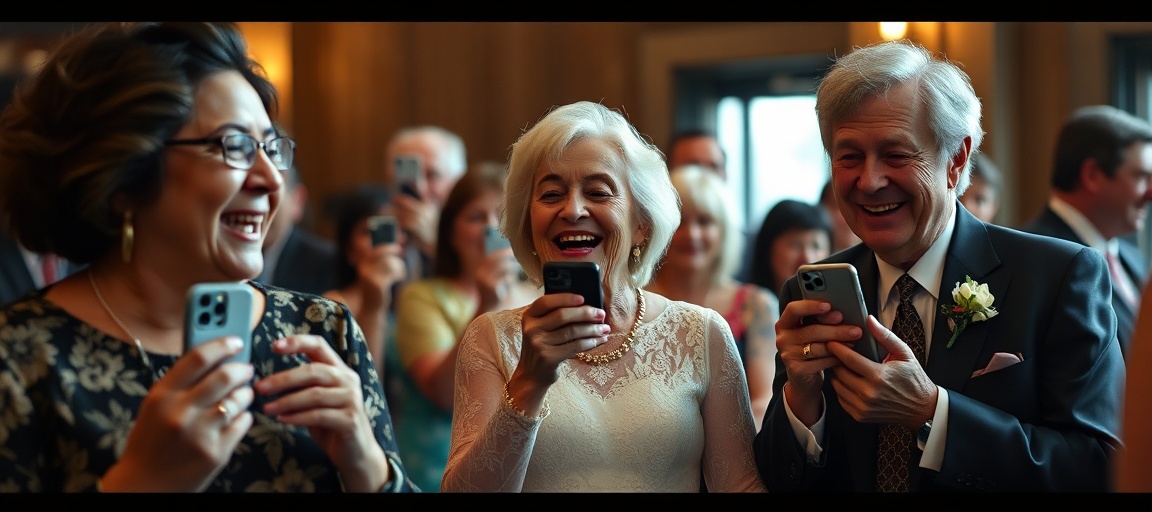
Almost every guest carries a smartphone with a capable camera. This means a vast number of photos can be taken without worrying about film limits or running out of battery for a dedicated camera. Photos appear instantly on the phone screen. Guests can review them immediately and retake if needed.
The instant nature of phone photos allows for quick sharing. Guests can send photos to each other during the event. They might post them to a shared online album or social media, if you provide a hashtag. This creates a live, evolving collection of memories throughout the wedding day.
Phone Photos: Quality and Versatility
Modern smartphone cameras are powerful tools. They offer high resolution images and sophisticated image processing. Many phones perform well in challenging lighting conditions, like dimly lit reception halls. Guests can also easily record high-definition video clips, capturing moving speeches or dance floor action.
Phones allow for immediate editing and enhancement. Guests can adjust brightness, crop images, or apply filters directly on their device. This means photos can be quickly refined before sharing. The overall image quality from a good smartphone is often sharper and more detailed than from a basic disposable camera.
Cost and Collection Considerations
Using disposable cameras involves several costs. You purchase the cameras themselves, which can range from $10 to $20 each. Then, you pay for film development and scanning, typically another $10 to $15 per camera. These costs add up quickly if you provide many cameras.
Collecting the photos also takes effort. You must gather all the cameras after the event. Then you drop them off at a photo lab and wait for processing. Receiving digital scans means another step to organize and share them.
For phone photos, the immediate cost per photo is zero. Guests already own their devices. However, gathering all these photos can be a different challenge. Guests might send a few photos to you directly. But getting every photo from every guest's phone requires a system. Many couples use a shared online album or a dedicated event photo app. Snap Eighteen helps gather all guest photos instantly into one album. The album closes when the event ends, keeping everything organized.
Making Your Choice
Consider the atmosphere you want to create and the type of memories you wish to receive. Disposable cameras offer a nostalgic, hands-on activity and a distinct film aesthetic. They encourage guests to be less focused on screens. Phone photos provide instant gratification, high quality, and the ability to capture video.
You do not need to choose only one option. Many weddings successfully use both. Place a few disposable cameras on tables for a fun, retro touch. Also, encourage guests to use their phones for their own digital memories. This approach gives you a wide variety of perspectives and styles from your special day.
Questions
How many disposable cameras should I buy for my wedding?
This depends on your guest count and budget. A common recommendation is one camera for every 10-15 guests. Place them strategically on reception tables. Ensure each camera has a clear label or instruction.
Can I get disposable camera photos digitally?
Yes, most photo labs offer digital scans of your developed film. You can usually choose to receive your photos on a USB drive or via a download link. This allows you to easily share and archive the unique film images.
What about video from guests?
Only smartphones can capture video from guests. Disposable cameras are for still photos only. If you want candid video clips of speeches, dancing, or guest messages, encourage phone use.
How do I get all the phone photos from my guests?
The easiest way is to use a shared online album or a dedicated event photo app. Provide clear instructions to your guests on how to upload their photos. Make this information visible at the event, such as on table cards.
Do guests prefer using disposable cameras or their phones?
Most guests are comfortable using their phones for photos. Disposable cameras offer a fun novelty, but some guests may not use them. Providing both options ensures everyone can contribute in their preferred way.
Snap Eighteen is a shared camera for your event. Guests scan a code, everyone’s photos land in one album, and the album closes when the event ends.
See how it works